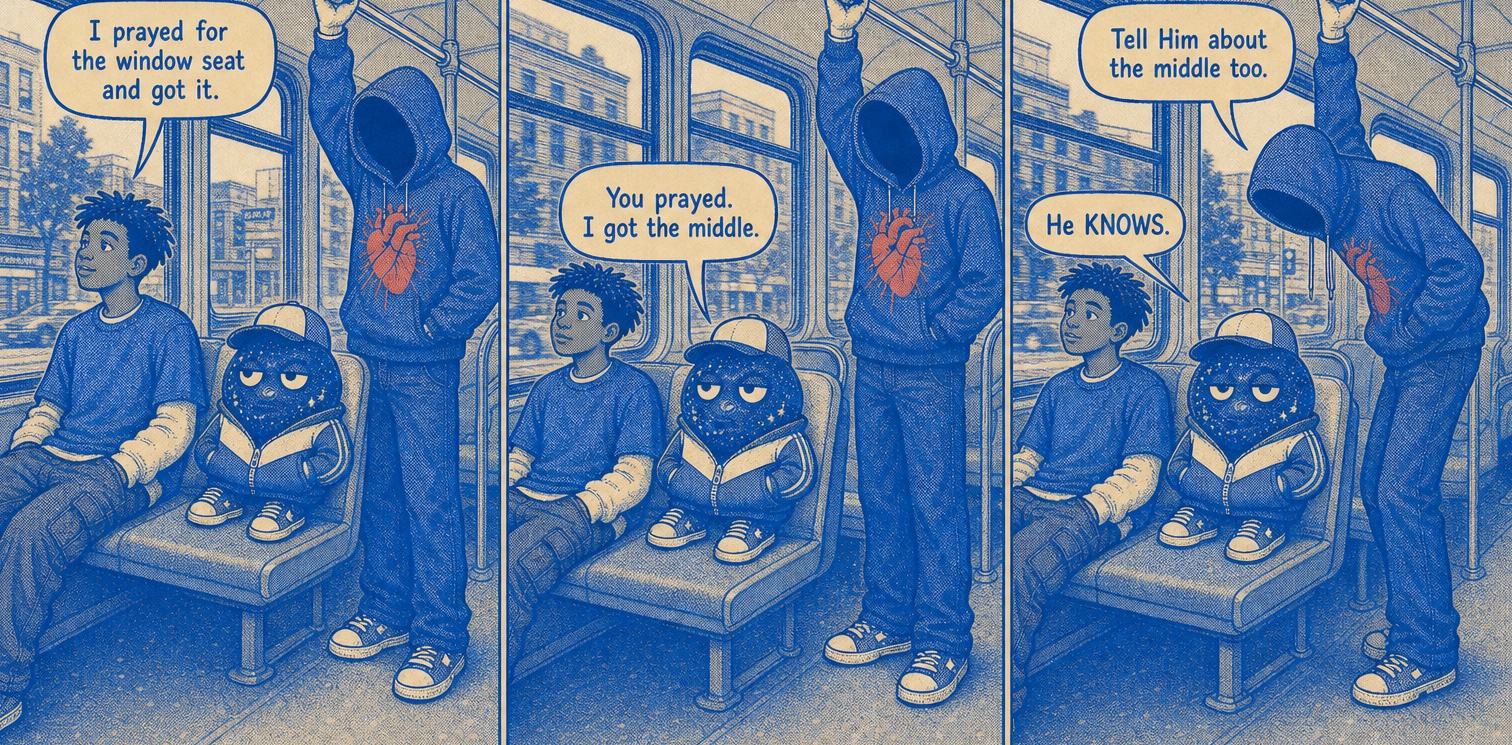
You inherited your faith before you tested it. Somebody older taught you the words: the prayer you said before meals, the verses you memorized for a gold star, the answers you gave because they were the right answers, not because you had arrived at them yourself. For a long time this was enough. The words carried you. Then, somewhere along the way, without a single dramatic moment you could point to, the words stopped carrying you and started needing to be carried. You keep saying the words. Do you still know what they mean?
If that describes anything true about your Sundays now, you are in strange company. The man in this story is a teacher of Israel, a Pharisee named Nicodemus, someone who has spent his whole life inside the religion he was raised in and has become, by every visible measure, good at it. He knows the law. He can argue it. Other people bring him their questions. And he comes to Jesus at night, which the text does not explain but does not need to. A man with a public reputation for having faith figured out does not want to be seen still asking about it.
Nicodemus opens carefully, the way you open a conversation you are not sure you want to have in daylight. “Rabbi, we know that You are a teacher who has come from God. For no one could perform the signs You are doing if God were not with him.” It is respectful. It is also, if you listen for it, a question wearing the clothes of a statement. He wants Jesus to say more.
Jesus does not answer the question Nicodemus asked. He answers the one underneath it. “Truly, truly, I tell you, no one can see the kingdom of God unless he is born again.” Nicodemus, teacher that he is, takes it the only way a grown man can take a claim like that. “How can a man be born when he is old? Can he enter his mother’s womb a second time to be born?” It is not a foolish question. It is the question anyone asks when told that the life they have already lived, carefully, correctly, according to the rules, is not the same life being offered. You cannot go back and be born differently. You already are who you became.
But Jesus is not describing a return. He is describing a beginning that is not yours to arrange. “The wind blows where it wishes. You hear its sound, but you do not know where it comes from or where it is going. So it is with everyone born of the Spirit.” You cannot manufacture wind, and you cannot manufacture this. That is worth sitting with if you grew up being handed a religion instead of finding one. You may have spent years assuming faith was something you were supposed to produce, believing hard enough and performing well enough that the feeling would eventually arrive to match the words. Jesus tells a religious professional, a man whose whole vocation is producing correct religious behavior, that this is not how it works. The new life does not come from getting the old one right. It comes from somewhere you do not control, the way wind does, the way birth does.