There is a kind of dark that has nothing to do with the hour. It belongs to a decision that has gone on too long. You have weighed the job, the move, the offer, the diagnosis, the conversation you keep rehearsing. You have made the lists and asked the people you trust, and their answers do not agree with one another. Each morning you wake up half hoping the matter was settled overnight, and each morning it is exactly where you left it.
The hardest part is rarely the choice itself. It is the length of the waiting. A short dark can be endured. A long one starts to change how you think about yourself. You wonder whether you are missing something obvious, or whether you are simply a person who cannot decide. You begin to want light for the whole road, and you resent being handed so little of it.
With that in mind, read what Jesus says in John 8:12. The Berean Standard Bible renders it this way: "Once again, Jesus spoke to the people and said, “I am the light of the world. Whoever follows Me will never walk in the darkness, but will have the light of life.””
Start with the small phrase at the front, "Once again." Jesus is not offering this for the first time. He has said things like it before, and the people listening have heard him and walked away unsure. The sentence arrives into an ongoing conversation with people who had not yet made up their minds. Whatever else this verse is, it was spoken to the undecided, and it was spoken more than once because they needed to hear it more than once. That alone is some company for you.
Then look at what he claims. He does not say, "I will give you light," as though light were a thing he held in his hand and might pass over. He says, "I am the light of the world." The light is a person. That changes what you are looking for. You have been asking for a lamp bright enough to show the entire path, so that you could inspect it and choose with confidence. He offers himself, and a person can be followed in a way a floodlit map cannot.
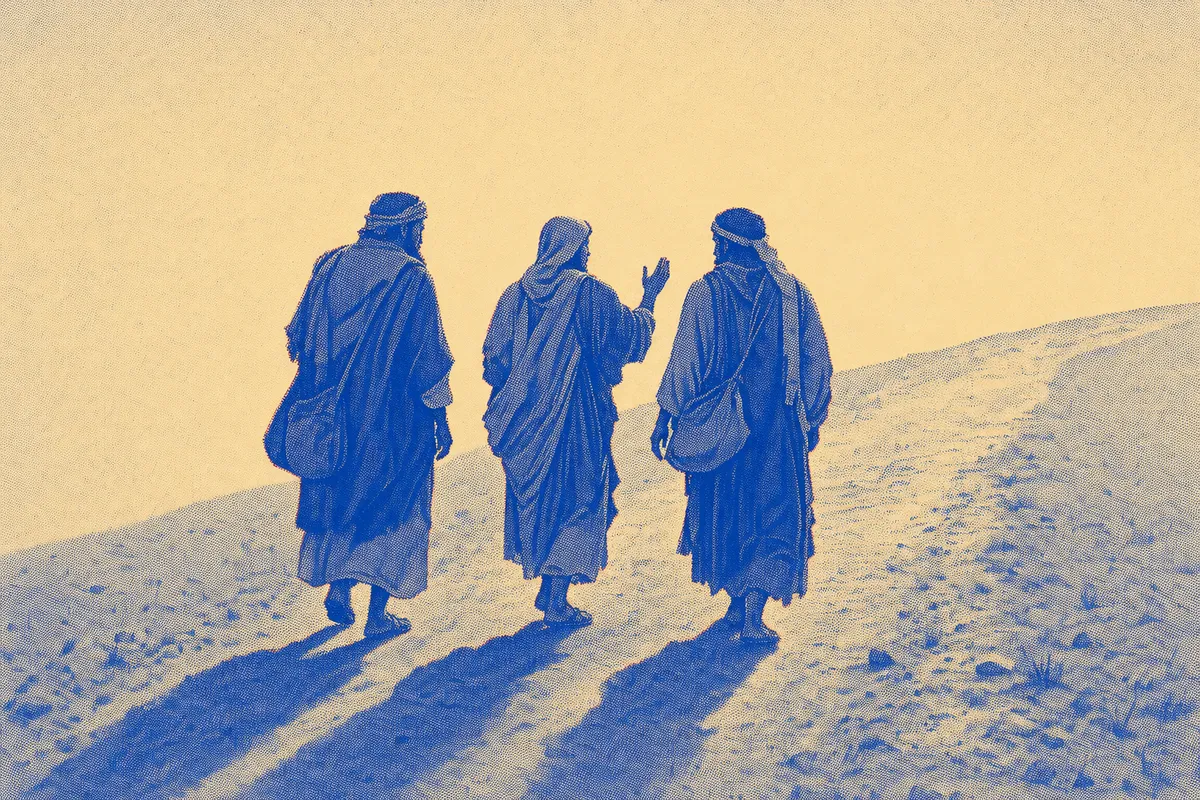
Notice the verb he attaches to the promise: "Whoever follows Me." Following is what you do when you cannot see far. If you could see the whole route, you would not need anyone to lead. A follower sees the next few feet and the back of the one ahead, and that is the whole of the arrangement. The promise is not that the darkness will be taken away before you move. It is that the one who follows "will never walk in the darkness." The promise is attached to walking.
That is worth sitting with, because it runs against the grain of how a long decision feels. Most of us believe we must be certain first and then move. We treat certainty as the price of the next step. The text reverses the order. Light is given to a person already underway, in the company of the one who is the light. You may find that clarity comes less as a verdict handed down in advance and more as a steady sense of direction while you keep company with him.
There is also a gentle correction in the phrase "the light of life." He does not promise the light of information. You may want facts, forecasts, a guarantee that the choice will turn out well, and the text does not say you will be given those. What he promises is life, which is a larger thing than an answer. A person can decide wrongly about a house or a career and still be held in the light of life. A person can decide rightly and still walk in a different darkness if they have gone alone. The verse measures the matter by whether you are with him, and only secondarily by whether you chose correctly.
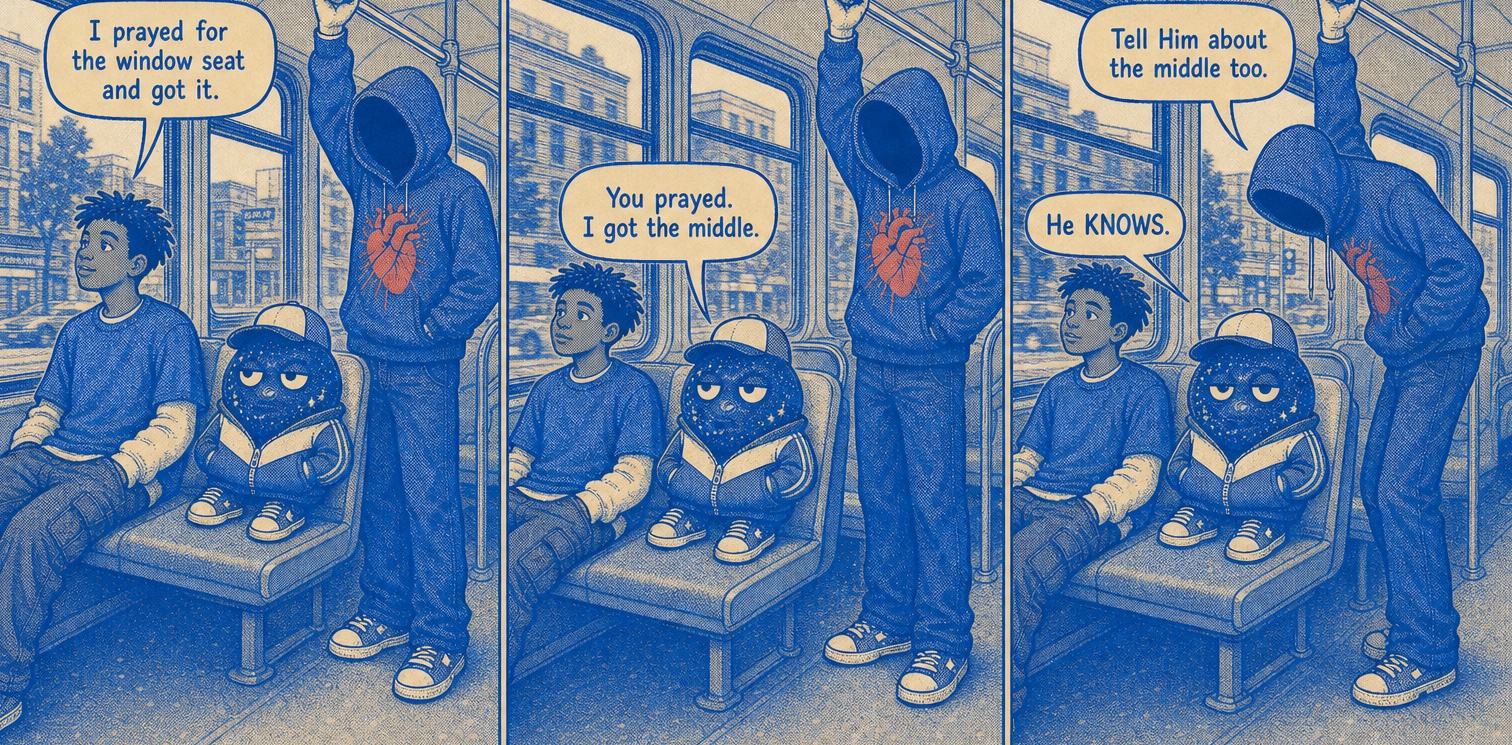
This is where the Christian claim becomes concrete. The one who says these words is the same one who, according to the Gospels, went to the cross and rose again. He is not a distant source of illumination. He has known grief, pressure and the weight of a decision. In the garden before his arrest he prayed over what lay ahead, and he did so with others nearby who could not stay awake. He understands what it is to carry something heavy through the night. When he says follow me, he is not issuing orders from a position of comfort. He walks first, and he has already been where the road is hardest.
So the invitation is smaller and warmer than you may have feared. It does not ask you to produce confidence you do not have. It asks you to turn toward a person and take the step in front of you. You can pray, honestly and in plain words, that he would go with you. You can ask him to make you attentive to what is true, and to keep you from a choice made only to end the discomfort of waiting. Wanting relief from uncertainty is not wrong, but it is a poor guide, and it often presents itself as wisdom.
Consider Monday. The decision will probably still be there when you wake up, and it may still be there at the end of the week. You do not need to resolve it before breakfast. You need to do the one thing in front of you that is clearly good: make the phone call you have been avoiding, or ask the question you have been afraid to ask. You might also decide that today you will simply rest from the weighing and let the matter sit. Any of these can be done as a way of following. None of them requires that you see the end.
When the dark feels long, return to the sentence and read it slowly. "Whoever follows Me will never walk in the darkness, but will have the light of life." It does not describe a bright room. It describes a road, a companion and enough light to take the next step, and he is the one who gives it.
Start where you are. Take the step you can see. He has said it more than once, and he will say it again tomorrow.