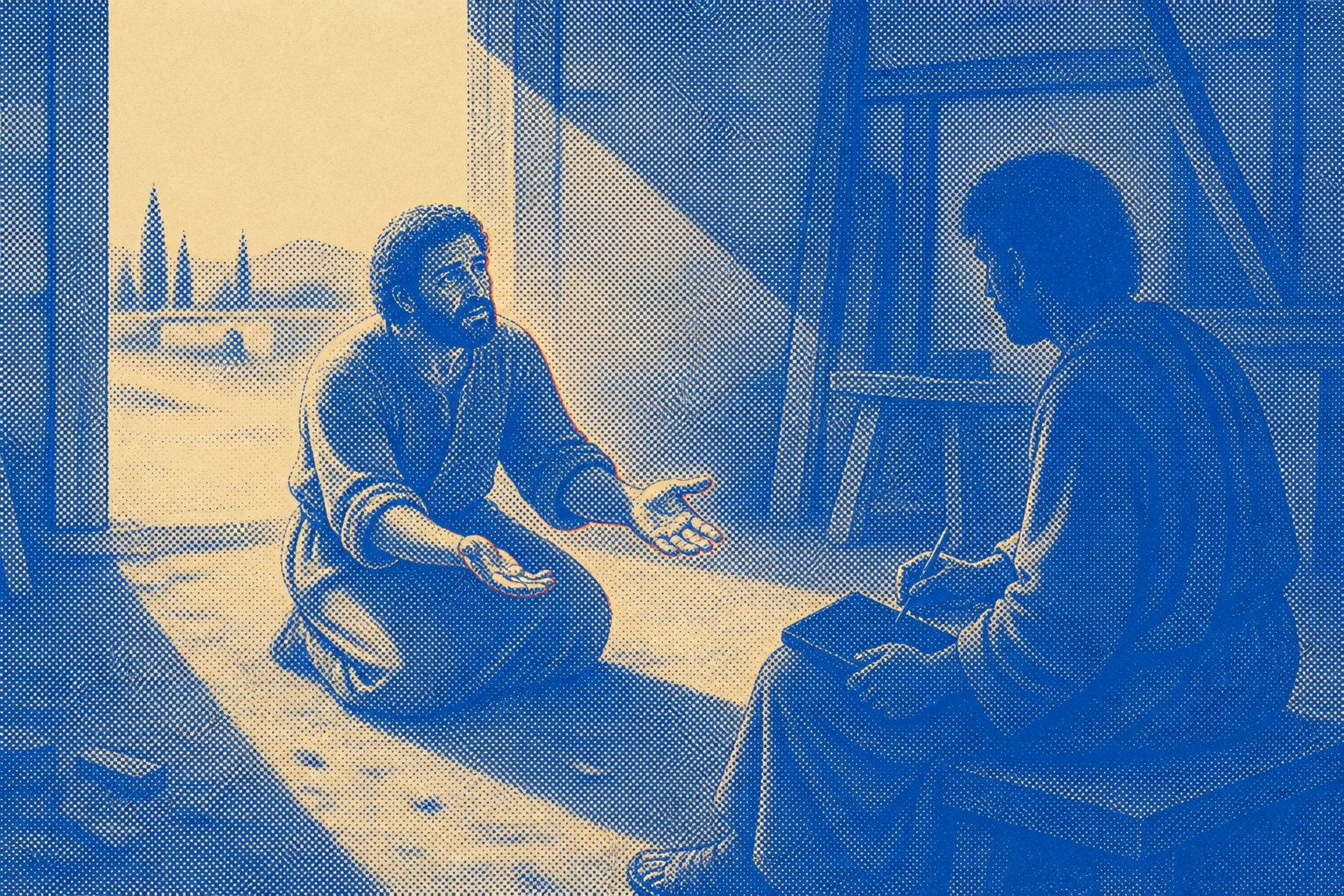
THE ACTS 2 COMMUNITY
After Jesus ascended, the early followers didn't scatter. They didn't go back to normal life. They did something radical:
They formed a covenant community.
Here's what it looked like:
"They devoted themselves to the apostles' teaching and to fellowship, to the breaking of bread and to prayer... All the believers were together and had everything in common. They sold property and possessions to give to anyone who had need."
This wasn't a Sunday service. This was daily life together.
Shared meals. Shared resources. Shared burdens.
When one person struggled, the whole community mobilized.
That's covenant. Not network. Not transaction.
Mutual aid.
MUTUAL AID VS. CHARITY
Here's the difference between charity and mutual aid:
Charity is one-directional. The haves give to the have-nots. There's a power dynamic. A hierarchy. A giver and a receiver.
Mutual aid is reciprocal. We take care of each other.
Today you have resources and I need help. Tomorrow I have resources and you need help. We're not clients and donors—we're covenant family.
The Acts 2 community wasn't charity. It was mutual aid.
They didn't create a program. They shared life.
And when empire collapsed, when persecution came, when the economy crushed them—they survived.
Because they had each other.
WHAT IT COSTS TO BELONG
Covenant community isn't cheap. It costs something.
It costs privacy—people see your real life, not your curated version.
It costs control—you can't hoard resources when others are in need.
It costs convenience—showing up for people is inconvenient.
EUANGELION is a product of WokeGod LLC. Copyright © 2026 WokeGod LLC. All rights reserved. · v0.8.24 · Terms · Privacy · Cookie Policy · Community Guidelines