Whatever happens, conduct yourselves in a manner worthy of the gospel of Christ.
Philippians 1:27 (NIV)
EU•AN•GE•LION (YOO-AN-GEL-EE-ON) · εὐαγγέλιον — Good News
EUANGELION is a product of WokeGod LLC. Copyright © 2026 WokeGod LLC. All rights reserved.v0.8.37TermsPrivacyCookie PolicyCommunity GuidelinesContent Disclaimer
EU•AN•GE•LION (YOO-AN-GEL-EE-ON) · εὐαγγέλιον — Good News

Developing spiritual temperance when emotions threaten to overwhelm
Philippians 1:27-30
Opening
Whatever happens, conduct yourselves in a manner worthy of the gospel of Christ.
Philippians 1:27 (NIV)

“The Apostle Paul” — Rembrandt van Rijn, c.1657
Biblical temperance is not the absence of emotion but the refusal to be governed by emotion. It doesn’t remove fear; it keeps fear from removing us from our post.
Paul’s ‘whatever happens’ includes the worst-case scenarios. Prison, persecution, betrayal, death. Yet in the face of all of it, he calls believers to conduct worthy of the gospel. This isn’t a call to fake composure. It’s a call to authentic temperance.
Temperance, in the biblical sense, is not the absence of emotion. It’s the refusal to be governed by emotion. Paul felt deeply. He wept, he burned with anger over injustice, he ached with loneliness. But his feelings informed his prayers, not his identity.
The phrase ‘without being frightened in any way’ uses a Greek word (ptyromenoi) that describes a startled horse. Fear makes us skittish, reactive, ungovernable. Temperance doesn’t remove the fear. It keeps the fear from removing us from our post.
The phrase ‘without being frightened in any way’ uses a Greek word (ptyromenoi) that describes a startled horse.
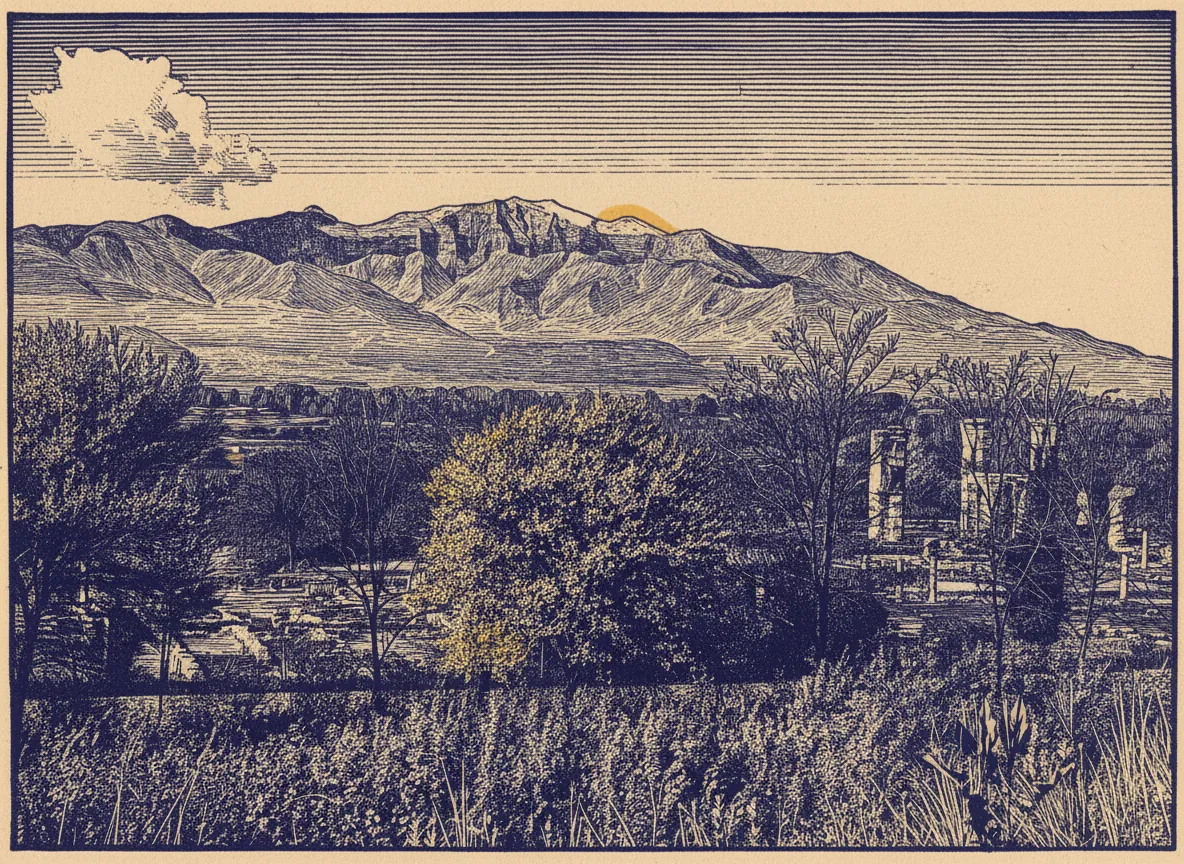
“Ancient Philippi — forum and basilica ruins” — Unknown (Roman/Byzantine), Roman period
The War Within
The anger came in waves. Some days, Sarah Chen would throw things across her apartment, screaming at God, at life, at the unfairness of it all. The precision and control that had defined her athletic career had vanished completely. She felt out of control of everything: her body, her future, her emotions.
Her physical therapist noticed the pattern. ‘Sarah, you can’t heal your body while your spirit is at war,’ he said gently. He recommended she see a counselor alongside her physical recovery.
That’s when Sarah began learning the difference between feeling emotions and being controlled by them. Temperance wasn’t about not feeling. It was about not being enslaved by what she felt. She could be angry and still be kind. She could grieve and still hope. She could doubt and still pray.
Sarah’s journey from emotional chaos to measured response mirrors Paul’s call to gospel-worthy conduct regardless of circumstances. Both teach that temperance is learned in the furnace, not the classroom.
Fear in Disguise
Sarah realized her anger was rooted in something deeper: fear. Fear that her life was over. Fear that God had abandoned her. Fear that she’d never matter again. The anger was just fear wearing a louder costume. Paul understood this connection too. His instruction to stand firm ‘without being frightened’ acknowledges that fear is the root of most spiritual instability. When we are afraid, we lash out, withdraw, or self-destruct. But when we stand firm in the conviction that suffering is not punishment but participation in Christ’s mission, something shifts. Paul’s radical claim in verses 29-30 reframes everything: suffering for Christ is a privilege, not a penalty. When Sarah began to see her pain not as God’s abandonment but as sacred territory where she could meet Christ in a new way, her anger began to transform into something stronger. Not numbness. Not denial. But a fierce, quiet resolve to stand.
HISTORICAL CONTEXT
The Greek word ptyromenoi (frightened) in verse 28 appears nowhere else in the New Testament. It was commonly used to describe horses startled by sudden noise or danger. Paul chose this vivid image deliberately: believers should not be spooked into reactive behavior by opposition.
Paul’s phrase ‘granted to you on behalf of Christ not only to believe in him, but also to suffer for him’ treats suffering as a divine gift on the same level as faith itself. In the early church, martyrs were honored not for their courage but for the privilege of sharing in Christ’s suffering.
BRIDGE TO CHRIST
ANCIENT TRUTH
Paul called believers to stand firm without fear, conducting themselves in a manner worthy of the gospel regardless of circumstances, even treating suffering as a sacred privilege.
Whether facing Roman persecution or a shattered athletic career, the human temptation is identical: let fear and anger take the wheel. The gospel answer is also identical: stand firm.
MODERN APPLICATION
When emotions rage, we have a choice: react in fear or respond in faith. Temperance is the spiritual muscle that enables gospel-worthy conduct in impossible circumstances.
NEW TESTAMENT ECHO
Jesus in Gethsemane was deeply distressed and troubled, yet He prayed, ‘Not my will, but yours be done.’ (Luke 22:42) He modeled temperance not as the absence of anguish but as faithfulness through it.

“Sym Thorn Branch Linocut” — Christopher James Parker + AI, to God be the Glory, 2026
REFLECT
What emotional reaction in your life might be rooted in fear rather than the situation itself?
PRAYER
Posture: petition
God, I confess that fear has been driving my reactions more than faith. Help me respond to my emotions with gospel-worthy temperance. Not fake composure, but authentic trust in You. I name my fear before You now and ask You to replace it with the fierce, quiet resolve to stand firm. Teach me that suffering with You is a privilege, not a punishment. Amen.
IN YOUR OWN WORDS
TAKEAWAY
I will identify one emotional reaction that is being driven by fear and surrender it to God’s control today, choosing to respond with temperance rather than react with panic.
LEAVING AT THE CROSS
RECEIVING FROM THE CROSS

“Element Halo Cream On Cobalt” — Christopher James Parker + AI, to God be the Glory, 2026
CHECK YOUR UNDERSTANDING
FOR REFLECTION
FOR ACCOUNTABILITY PARTNERS
FURTHER READING
RELATED SCRIPTURES
Luke 22:42
Not my will, but yours be done.
2 Timothy 1:7
For the Spirit God gave us does not make us timid, but gives us power, love and self-discipline.
FOR DEEPER STUDY
Read Philippians 1:27-30 for Paul’s full teaching on standing firm with temperance
Learning to Stand in the Storm
As anger consumed her recovery, Sarah discovered that her emotional chaos was rooted in fear. With the help of counseling and Scripture, she learned the difference between feeling emotions and being enslaved by them.
Temperance wasn’t about not feeling. It was about not being enslaved by what she felt.
LESSON FOR US
Gospel-worthy conduct doesn’t require fake composure. It requires the fierce resolve to stand firm while honestly feeling everything life throws at us.
Finished reading? Mark this day read.
BEFORE YOU GO
Anything you want to keep from today?
EUANGELION is a product of WokeGod LLC. Copyright © 2026 WokeGod LLC. All rights reserved.v0.8.37TermsPrivacyCookie PolicyCommunity GuidelinesContent Disclaimer