Remember your Creator in the days of your youth, before the days of trouble come and the years approach when you will say, ‘I find no pleasure in them.’
Ecclesiastes 12:1 (NIV)
וּזְכֹר אֶת־בּוֹרְאֶיךָ בִּימֵי בְּחוּרֹתֶיךָ
EU•AN•GE•LION (YOO-AN-GEL-EE-ON) · εὐαγγέλιον — Good News
EUANGELION is a product of WokeGod LLC. Copyright © 2026 WokeGod LLC. All rights reserved.v0.8.37TermsPrivacyCookie PolicyCommunity GuidelinesContent Disclaimer
EU•AN•GE•LION (YOO-AN-GEL-EE-ON) · εὐαγγέλιον — Good News

Actively remembering God throughout daily life
Ecclesiastes 12:1
Opening
Remember your Creator in the days of your youth, before the days of trouble come and the years approach when you will say, ‘I find no pleasure in them.’
Ecclesiastes 12:1 (NIV)
וּזְכֹר אֶת־בּוֹרְאֶיךָ בִּימֵי בְּחוּרֹתֶיךָ
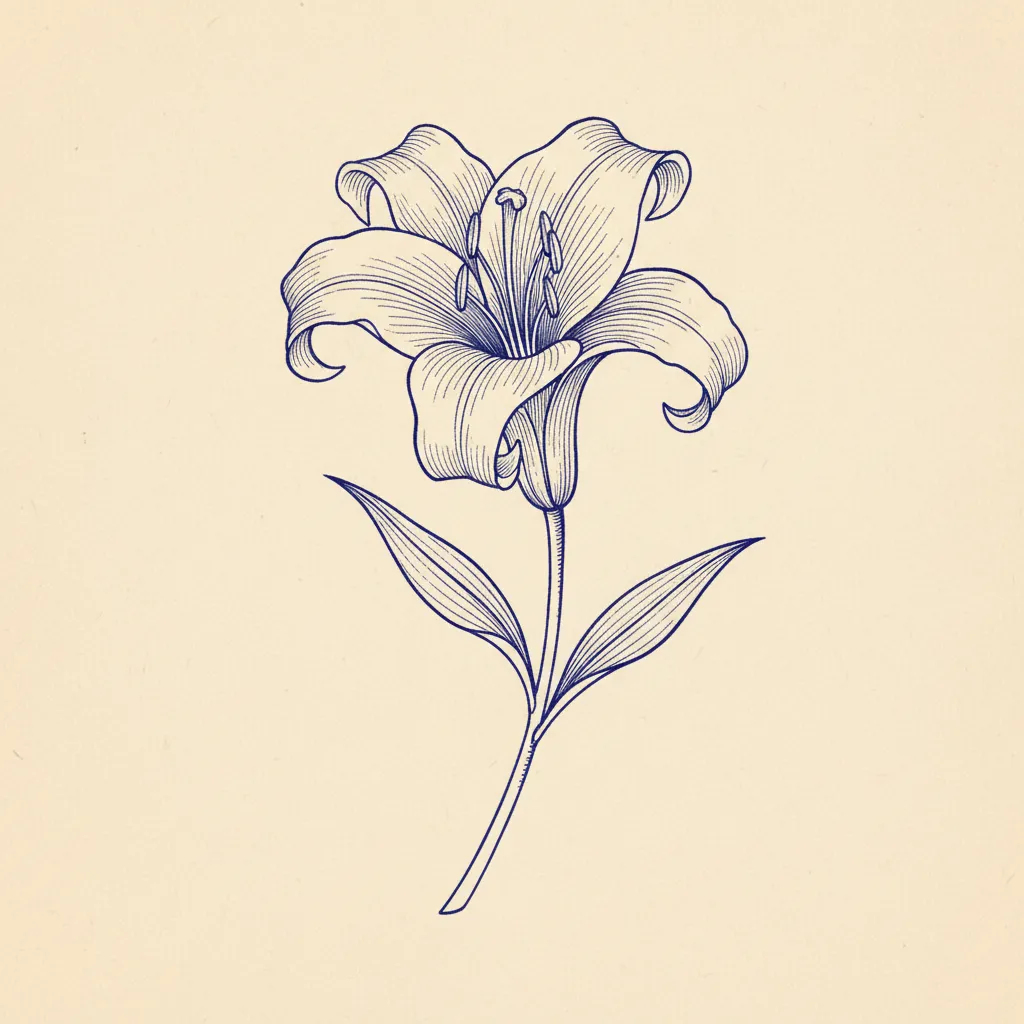
“Sym Lily Etched” — Christopher James Parker + AI, to God be the Glory, 2026
The command is to remember your Creator, not just a generic deity. This implies remembering the One who formed you, knows you, and has a purpose for your life.
Ecclesiastes ends with an urgent call: zakhor – remember your Creator. This isn’t casual recollection but active, intentional mindfulness. The Hebrew word implies paying attention, being mindful, keeping something at the forefront of consciousness.
Solomon warns that if we don’t remember God in our youth (when we have energy and opportunity), we may find ourselves too busy, too tired, or too distracted to remember Him when we’re older.
The Forgetting That Leads to Frenzy
Maria’s grandmother had a saying: ‘A busy life is often a forgetful life.’ Maria didn’t understand it then, but at 35, she felt the truth of it. The busier she became, the more she forgot what really mattered.
She forgot to call her parents. Forgot to nurture friendships. Forgot to enjoy simple pleasures. And most dangerously, she forgot God – not intellectually, but practically. Her schedule had no room for the One who gave her life.
The wake-up call came when she realized: I’ve become so busy managing my life that I’ve forgotten who my life belongs to.
Maria represents the danger of practical atheism – living as if God doesn’t exist, even when we intellectually believe He does.
Digital Amnesia
Robert lived in an age of infinite information but struggled with spiritual amnesia. His phone remembered everything – contacts, appointments, facts, directions. But this external memory made his internal memory lazy. He could recall data instantly but struggled to remember what mattered most. The irony was stark: I have access to all knowledge but am forgetting the most important knowledge – who God is and who I am to Him.
HISTORICAL CONTEXT
Before written records were common, memory was crucial for preserving truth. Hebrew culture developed elaborate systems for remembering God’s works – festivals, songs, stories, rituals. These weren’t just historical preservation but active spiritual formation.
The Hebrew word zakhor appears over 200 times in the Old Testament, making remembrance one of the most frequently commanded spiritual disciplines. God knows that forgetting Him is the root of all spiritual problems, so He constantly calls His people back to active remembrance.
BRIDGE TO CHRIST
ANCIENT TRUTH
Solomon urgently calls us to remember our Creator – not casual recollection but active, intentional mindfulness that shapes our priorities.
Throughout the Old Testament, Israel’s cycle was predictable: blessing to prosperity to busyness to forgetting God to crisis to remembering to repentance to blessing.
MODERN APPLICATION
We’ve outsourced memory to devices and systems, losing the spiritual discipline of active remembrance. This makes us vulnerable to practical atheism – living as if God doesn’t exist, even when we intellectually believe He does.
NEW TESTAMENT ECHO
Psalm 103:2 – ‘Praise the Lord, my soul, and forget not all his benefits.’ The psalmist had to actively choose to remember God’s goodness rather than letting busyness crowd it out.
REFLECT
What if remembering God is the antidote to being too busy for God?
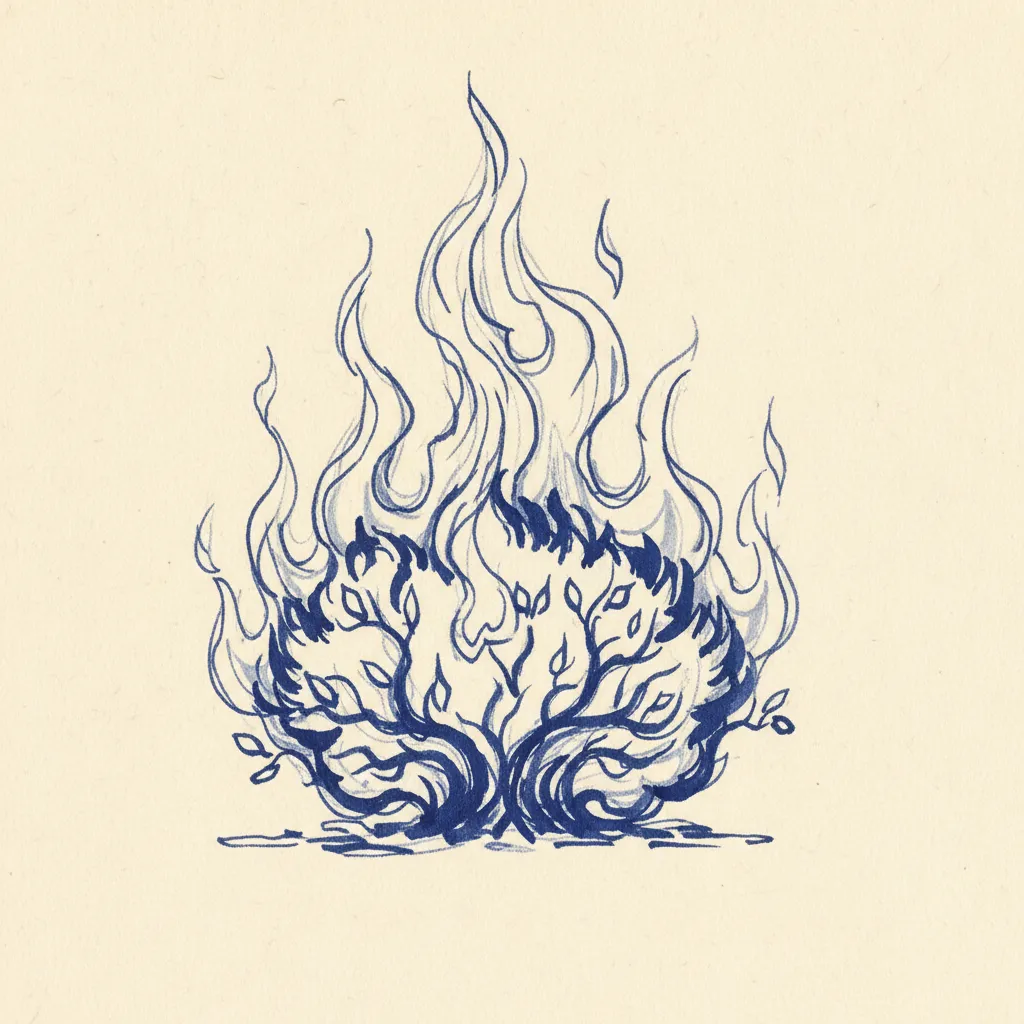
“Sym Burning Bush Brushed” — Christopher James Parker + AI, to God be the Glory, 2026
PRAYER
Posture: petition
God, help me zakhor – to actively remember and be mindful of You in every season of life. Don’t let busyness make me forget who You are and who I am to You. Amen.
IN YOUR OWN WORDS
TAKEAWAY
I will create a specific practice of zakhor – actively remembering God throughout my day, not just in designated ‘spiritual’ times.
LEAVING AT THE CROSS
RECEIVING FROM THE CROSS
CHECK YOUR UNDERSTANDING
FOR REFLECTION
FOR ACCOUNTABILITY PARTNERS
FURTHER READING
RELATED SCRIPTURES
Psalm 103:2
Praise the Lord, my soul, and forget not all his benefits
Luke 22:19
Do this in remembrance of me
Deuteronomy 8:18
Remember the LORD your God, for it is he who gives you the ability to produce wealth
FOR DEEPER STUDY
Study the conclusion of Solomon’s wisdom and the call to remember
WEEKLY CHALLENGE
The Remembrance Experiment
Practice zakhor by setting three daily reminders on your phone
The Forgetful Professional
A modern professional who realized that her busy life had become a forgetful life – forgetting what matters most while managing what matters least.
A busy life is often a forgetful life.
LESSON FOR US
Develop ‘remembrance rhythms’ – specific practices that help you zakhor throughout the day: morning acknowledgment, midday perspective check, evening gratitude, weekly Sabbath, monthly review, annual celebration.
Finished reading? Mark this day read.
BEFORE YOU GO
Anything you want to keep from today?
EUANGELION is a product of WokeGod LLC. Copyright © 2026 WokeGod LLC. All rights reserved.v0.8.37TermsPrivacyCookie PolicyCommunity GuidelinesContent Disclaimer