The beginning of the good news about Jesus the Messiah, the Son of God… a voice of one calling in the wilderness, ’Prepare the way for the Lord, make straight paths for him.’
Mark 1:1, 3 (NIV)
EU•AN•GE•LION (YOO-AN-GEL-EE-ON) · εὐαγγέλιον — Good News
EUANGELION is a product of WokeGod LLC. Copyright © 2026 WokeGod LLC. All rights reserved.v0.8.37TermsPrivacyCookie PolicyCommunity GuidelinesContent Disclaimer
EU•AN•GE•LION (YOO-AN-GEL-EE-ON) · εὐαγγέλιον — Good News
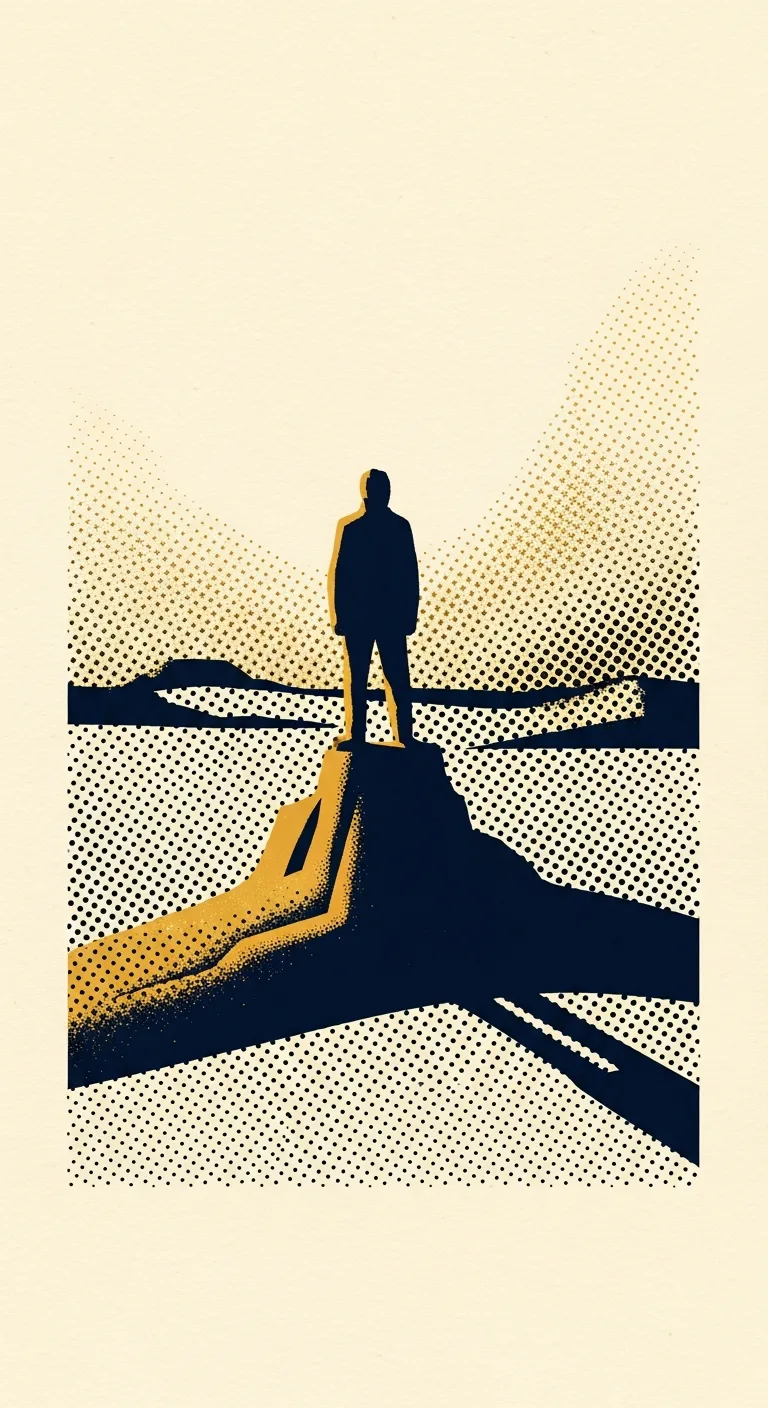
Understanding Mark’s urgent narrative style and the introduction of John the Baptist
Mark 1:1, 3
Opening
The beginning of the good news about Jesus the Messiah, the Son of God… a voice of one calling in the wilderness, ’Prepare the way for the Lord, make straight paths for him.’
Mark 1:1, 3 (NIV)

“Obj Oil Flask Amber Glass” — Christopher James Parker + AI, to God be the Glory, 2026
Mark’s Gospel is considered the earliest written Gospel, making it our closest written source to the actual events of Jesus’s life.
Before we examine Mark’s account, we should ask: Who is this author, and why should we listen to him? The Gospel itself doesn’t name its author, but early church tradition consistently identifies him as John Mark, mentioned several times in the New Testament. Mark wasn’t one of the twelve apostles, but he had remarkable access to eyewitness testimony. According to early church historians like Papias (writing around 125 AD), Mark served as Peter’s interpreter and recorded Peter’s preaching about Jesus. This makes Mark’s Gospel essentially Peter’s eyewitness account, filtered through Mark’s careful documentation.
Mark also traveled with Paul and Barnabas on missionary journeys (Acts 12:25, 13:5) and was present during key moments in early church history. His mother’s house in Jerusalem served as a meeting place for the early Christians (Acts 12:12). From a historical credibility standpoint, Mark’s Gospel is considered by most scholars to be the earliest written Gospel (likely composed between 65-70 AD), making it our closest written source to the actual events.
In Media Res
Think of your favorite action movie. Does it start with a long, slow explanation of the characters’ backstories? Or does it throw you right into a car chase, a daring escape, or a tense confrontation? Many of the most compelling stories, from the opening scene of Star Wars with a massive Star Destroyer pursuing a tiny rebel ship, to the thrilling temple escape in Raiders of the Lost Ark, begin in media res—in the middle of things. This narrative technique is designed to grab the audience’s attention immediately, creating a sense of urgency and a desire to know what happens next.
This is exactly what the author of the Gospel of Mark does. He’s not interested in a leisurely stroll through the history of Jesus’s ancestors or the details of his birth. Instead, he wants his readers to feel the immediacy and importance of his message. By starting with the proclamation of John the Baptist in the wilderness—a place of testing and preparation in Jewish culture—Mark is signaling that this is not just another story.
Mark’s urgent opening style suggests he believed this story was too important for a slow start. The narrative technique itself becomes part of the evidence for the significance he attributed to these events.
Old Testament Connection
Mark immediately connects John the Baptist to two crucial Old Testament prophecies. The primary quote comes from Isaiah 40:3, written during the Babylonian exile: ‘A voice of one calling in the wilderness, Prepare the way for the Lord.’ The second quote, ‘I will send my messenger ahead of you,’ comes from Malachi 3:1. Mark’s point is clear: this ‘new’ story isn’t appearing in a vacuum.
HISTORICAL CONTEXT
The wilderness setting deliberately evokes Israel’s forty years of testing. John’s appearance—camel’s hair clothing and leather belt—intentionally echoes the prophet Elijah (2 Kings 1:8). Mark is arguing that Jesus’s story is the climax of Israel’s long history with God.
The Hebrew word ‘qohelet’ (Preacher/Teacher) comes from the root ‘qahal’ meaning ‘to gather’ or ‘assemble.’ John wasn’t just teaching individuals—he was addressing the entire assembly of God’s people about the danger of misplaced priorities.
BRIDGE TO CHRIST
ANCIENT TRUTH
Mark 1:1 functions as both title and thesis statement. The action begins immediately in the wilderness, a location that carried deep significance for Jewish people.
The wilderness was where Israel wandered for forty years, where they were tested, and where they received the Law from God. It was a place of hardship, but also a place of new beginnings and divine encounters.
MODERN APPLICATION
Whether you approach it with skepticism or faith, you can appreciate the narrative craft and investigate the historical claims being made.
NEW TESTAMENT ECHO
Mark suggests that a new chapter in the relationship between God and humanity is about to unfold.
REFLECT
As I begin this investigation, how can I approach this with both critical thinking and genuine curiosity?

“Brand Rays Banner Charcoal” — Christopher James Parker + AI, to God be the Glory, 2026
PRAYER
Posture: petition
As I begin this investigation, I’m open to examining the evidence and understanding the story being told. Help me approach this with both critical thinking and genuine curiosity.
IN YOUR OWN WORDS
TAKEAWAY
I will approach this study with both critical thinking and genuine curiosity, examining the evidence honestly.
CHECK YOUR UNDERSTANDING
FOR REFLECTION
FOR ACCOUNTABILITY PARTNERS
FURTHER READING
RELATED SCRIPTURES
Mark 1:1-8
Full passage introducing the Gospel and John the Baptist
FOR DEEPER STUDY
BibleProject overview of the Gospel of Mark (9:17)
The Gospel Writer
John Mark wasn’t one of the twelve apostles, but he had remarkable access to eyewitness testimony. He served as Peter’s interpreter and recorded Peter’s preaching about Jesus. He also traveled with Paul and Barnabas on missionary journeys.
The beginning of the good news about Jesus the Messiah, the Son of God.
LESSON FOR US
Mark’s Gospel teaches us that eyewitness testimony, carefully documented, can bridge the gap between historical events and future generations seeking truth.
Finished reading? Mark this day read.
BEFORE YOU GO
Anything you want to keep from today?
EUANGELION is a product of WokeGod LLC. Copyright © 2026 WokeGod LLC. All rights reserved.v0.8.37TermsPrivacyCookie PolicyCommunity GuidelinesContent Disclaimer