So if the Son sets you free, you will be free indeed.
John 8:36 (NIV)
EU•AN•GE•LION (YOO-AN-GEL-EE-ON) · εὐαγγέλιον — Good News
EUANGELION is a product of WokeGod LLC. Copyright © 2026 WokeGod LLC. All rights reserved.v0.8.37TermsPrivacyCookie PolicyCommunity GuidelinesContent Disclaimer
EU•AN•GE•LION (YOO-AN-GEL-EE-ON) · εὐαγγέλιον — Good News
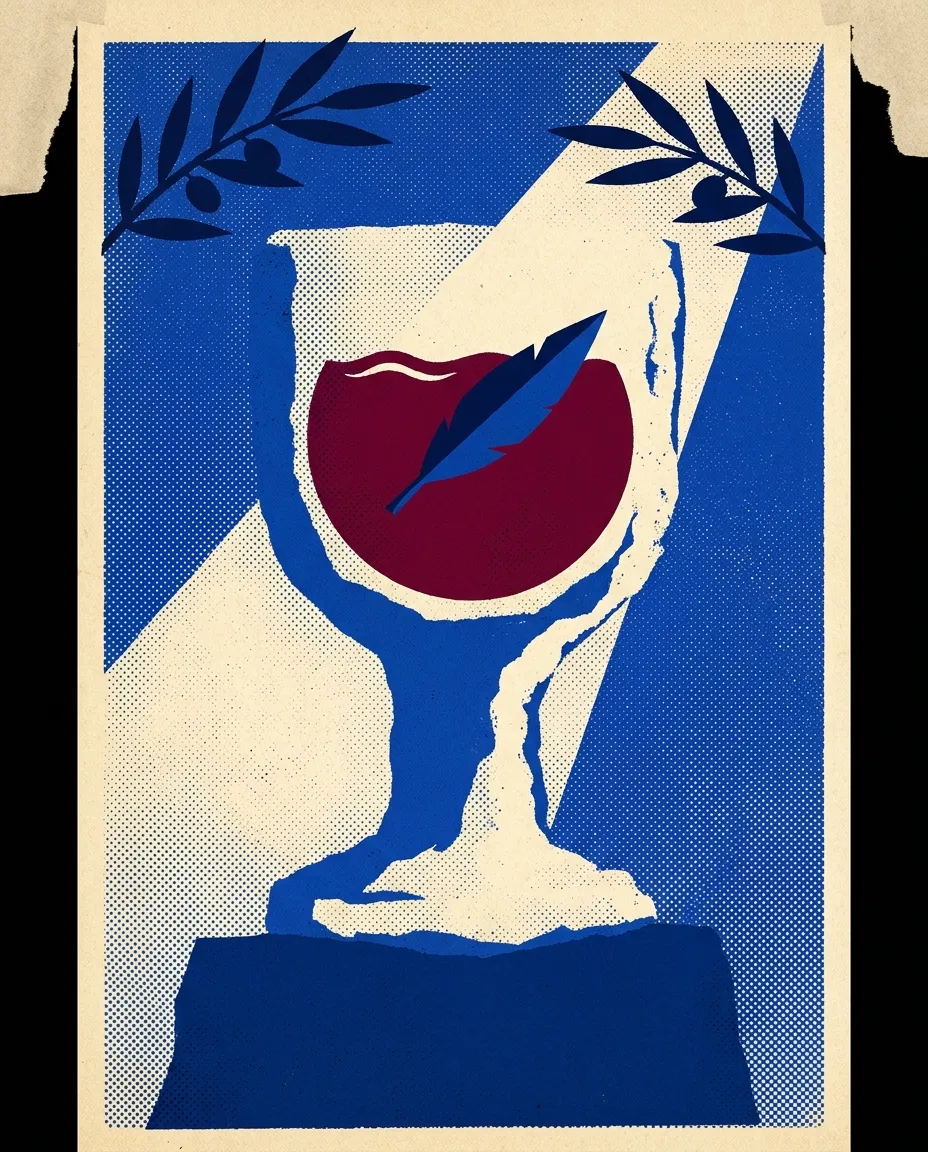
True freedom comes not from doing whatever we want, but from being liberated to become who we were created to be
John 8:36
Opening
So if the Son sets you free, you will be free indeed.
John 8:36 (NIV)
“Sym Window Arched Linocut” — Christopher James Parker + AI, to God be the Glory, 2026
True freedom is not the absence of all constraints, but the presence of the right ones. By surrendering to the loving will of God, we are not losing our freedom; we are finding it for the first time.
The modern world defines freedom as autonomy—the ability to choose your own path without external interference. But both ancient philosophy and modern psychology reveal the flaws in this understanding.
Philosopher Isaiah Berlin distinguished between two types of liberty: ‘negative liberty’ (freedom from interference) and ‘positive liberty’ (freedom for self-mastery and purpose). The world clamors for ‘freedom from’ rules and authority. But this often leads to what psychologists call ‘the paradox of choice’—anxiety and paralysis in the face of too many options. Christianity offers ‘freedom for’—the power to become the person you were created to be.
The Bible’s diagnosis of the human condition is that we are slaves to sin (John 8:34). This isn’t just a theological concept; it’s a psychological reality. Addiction, compulsive behaviors, and self-destructive patterns are all evidence of a will that is not truly free.
Augustine: From Slave to Free
Augustine of Hippo, one of the most influential theologians in history, spent his youth and early adulthood as a slave to his own passions. He was brilliant, ambitious, and driven by a desire for worldly success and sensual pleasure. In his famous autobiography, Confessions, he describes his inner turmoil: ‘I was in bondage to a chain of my own making.’ He knew the truth and was drawn to it, but he felt powerless to change. His famous prayer from this time was, ‘Lord, grant me chastity and continence, but not yet.’
He was trapped. The more he tried to free himself through his own willpower, the more entangled he became. He was a slave to his own ‘freedom’—the freedom to do whatever he wanted, which had led him into a prison of addiction and despair.
The breakthrough came when he finally surrendered. Sitting in a garden in Milan, weeping over his spiritual impotence, he heard a child’s voice chanting, ‘Tolle, lege; tolle, lege’ (‘Take up and read’). He picked up a scroll of the apostle Paul’s letters and his eyes fell on Romans 13:13-14. In that moment, Augustine stopped fighting and surrendered his will to Christ. He realized that true freedom wasn’t the power to do anything he wanted, but the power to do what is right.
We think freedom is the absence of constraints. But true freedom is being constrained by the right things. Surrendering to God’s will frees us from the slavery of our own broken desires.
The Train Track Analogy
A train is only ‘free’ when it is on the tracks. If it ‘frees’ itself from the tracks, it is no longer a train; it is a wreck. The tracks don’t limit the train’s freedom; they make its freedom possible. In the same way, God’s will and commands are not meant to restrict us, but to guide us into the life of purpose and flourishing for which we were designed.
HISTORICAL CONTEXT
Ancient philosophers like Plato and Aristotle understood that freedom wasn’t about indulging every desire, but about having a well-ordered will, where reason governs the passions.
In some forms of Roman manumission, a third party would pay the price to a temple, and the slave would be ‘sold’ to the god of that temple. They were now the ‘slave’ of that god, which meant no human could ever enslave them again. This is a powerful picture of our relationship with Christ.
BRIDGE TO CHRIST
ANCIENT TRUTH
Jesus promised that the Son would set us free, and we would be ‘free indeed’—a freedom that comes through surrender, not autonomy.
Augustine’s struggle with his own passions is the same struggle we face with our addictions, compulsions, and self-destructive patterns. The solution is the same: surrender.
MODERN APPLICATION
In a culture that worships personal autonomy and self-determination, we are called to demonstrate the paradox that true freedom comes through submission to Christ.
NEW TESTAMENT ECHO
Romans 6:18 – ‘You have been set free from sin and have become slaves to righteousness.’
REFLECT
How can surrendering your will to someone else possibly make you more free?
“Sym Doorway Arched Linocut” — Christopher James Parker + AI, to God be the Glory, 2026
PRAYER
Posture: petition
Lord Jesus, I want to be ‘free indeed.’ Break the chains of sin and self-will that entangle me. Teach me that true freedom is found not in doing what I want, but in becoming the person you created me to be.
IN YOUR OWN WORDS
TAKEAWAY
I will identify one area where I have been seeking ‘freedom from’ God’s will and instead embrace ‘freedom for’ His purposes in that area.
LEAVING AT THE CROSS
RECEIVING FROM THE CROSS
CHECK YOUR UNDERSTANDING
FOR REFLECTION
FOR ACCOUNTABILITY PARTNERS
FURTHER READING
RELATED SCRIPTURES
John 8:34
Jesus replied, ‘Very truly I tell you, everyone who sins is a slave to sin.’
Romans 7:15
I do not do the good I want to do, but the evil I do not want to do—this I keep on doing.
FOR DEEPER STUDY
Augustine’s spiritual autobiography detailing his journey from bondage to freedom
The Former Slave to Passion
Augustine was a brilliant young man enslaved to his own desires. His journey from bondage to freedom through surrender to Christ became one of the most influential testimonies in Christian history.
Lord, grant me chastity and continence, but not yet.
LESSON FOR US
The more we try to free ourselves through our own willpower, the more entangled we become. True freedom comes only through surrender to Christ.
Finished reading? Mark this day read.
BEFORE YOU GO
Anything you want to keep from today?
EUANGELION is a product of WokeGod LLC. Copyright © 2026 WokeGod LLC. All rights reserved.v0.8.37TermsPrivacyCookie PolicyCommunity GuidelinesContent Disclaimer