You have things to be grateful for. You could probably list them if someone asked, the health, the roof, the people who still pick up the phone. But listing is not the same as noticing, and somewhere between the asking and the receiving, most of us stop looking up. Prayers get answered so often they stop registering as answers. They just become Tuesday.
That is the ground this story stands on.
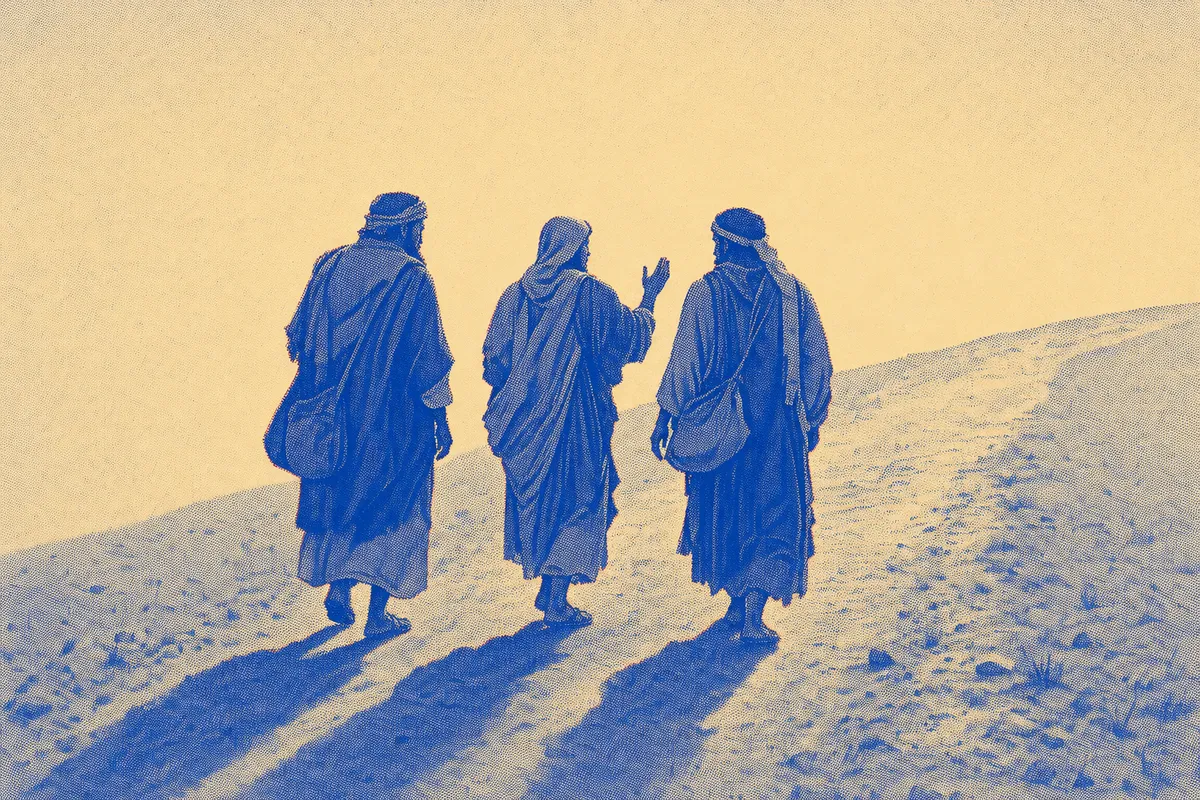
While Jesus was on His way to Jerusalem, He was passing between Samaria and Galilee. As He entered one of the villages, He was met by ten lepers. They stood at a distance and raised their voices, shouting, "Jesus, Master, have mercy on us!" When Jesus saw them, He said, "Go, show yourselves to the priests." And as they were on their way, they were cleansed.
Ten men, one sentence away from the worst thing in their lives. Leprosy did not just take their skin. It took their address, their trade, their seat at the table, their right to be touched, their place inside worship itself. Unclean was not a diagnosis, it was an exile, and it was a permanent one until a priest said otherwise. So when Jesus tells them to go show themselves to the priests, the only people authorized to certify a leper clean, He is sending them back into the world that had put them out of it. He is handing them their names again, their trades, their families, their seats at the table. That is enough of a miracle to build a life on. Ten men walk away from Him already healed, already free, already headed home, and not one of them has broken stride to look back yet.
Only one of them turns around.
Luke does not tell us what changed in him and not in the other nine. Maybe he simply looked down at his hands first. Whatever it was, he came back, praising God in a loud voice. He fell facedown at Jesus' feet in thanksgiving to Him, and Luke adds the detail almost as an afterthought that carries the whole story: he was a Samaritan. A foreigner. Samaritans and Jews did not share a well, let alone a temple, and a leper colony was one of the only places on earth where that hostility went quiet, because shared misery does not check pedigree. Even inside that colony he would have been the outsider's outsider. And yet the one man in the group with the least claim on Israel's God turned out to be the only one who recognized Him.
Jesus asks the question not because He needs the answer. "Were not all ten cleansed?" He says. "Where then are the other nine?" It is not a rebuke aimed at the absent nine so much as a naming of something true and sad, that gratitude is rare enough for its absence to be worth remarking on out loud, even by the Son of God standing in the middle of an answered prayer.
Here is the detail easy to miss under the drama of the story. All ten were healed. The nine who kept walking were not healed less than the Samaritan who came back. The Greek makes a distinction the English can blur. They were cleansed, katharizo, their bodies restored. But to the one who returned, Jesus says something more. "Rise and go; your faith has made you well." Made well is sozo, the word for saved, the word for whole. Nine received a miracle. One received Christ himself, and left not just cured but known.